The most surprising part of Tony Romo’s OWI arrest is not the stop itself, but how clearly the bodycam shows the line between a confused driver and a legally impaired one.
Story Snapshot
- Deputies say Tony Romo was weaving and crossing the center line before the stop.
- Bodycam video shows him insisting he had “zero” drinks and asking to call his lawyer.
- Officers report red, glassy eyes, alcohol odor, and failed sobriety tests before arrest.
- He refused a breath test, triggering a citation and a search warrant for a blood draw.
The highway stop that turned into a drunk driving case
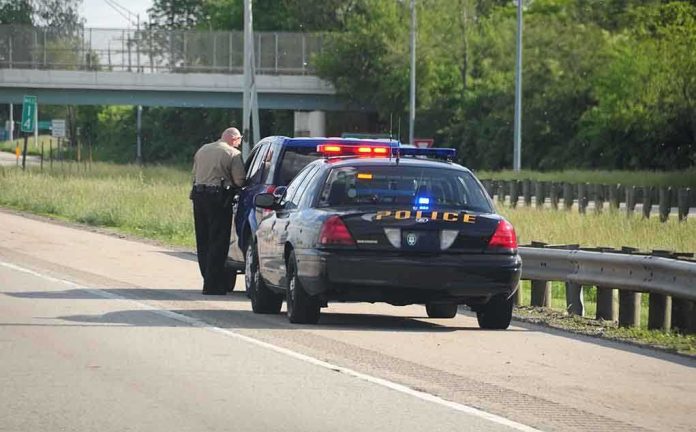
Milwaukee County deputies pulled over former Dallas Cowboys quarterback and current football analyst Tony Romo around 6 p.m. on July 23, as he drove southbound on Interstate 43 near downtown Milwaukee. The arrest report and later bodycam coverage say deputies first saw a traffic problem. One officer can be heard saying Romo crossed the center line and weaved within his lane, a classic trigger for an impaired driving stop under Wisconsin law. For anyone who wonders whether police just “pick” drivers, this kind of behavior is exactly what training highlights.
Once Romo’s Jeep is stopped, the footage shows a calm but tense scene. Deputies approach and begin standard questions: where he is coming from, where he is headed, and whether he has been drinking. Romo says he just left a golf tournament and is driving to visit his grandparents, a detail that shows up in several clips and reports. When the officer asks about alcohol, Romo answers that he had “zero” drinks, even as the stop quickly shifts from a simple traffic issue to an operating while intoxicated investigation.
Bodycam: ‘You think I’m drunk?’ meets roadside procedure
The bodycam clips that exploded online focus on Romo’s reaction when the deputy asks him to step out for field sobriety tests. She tells him he is being detained on suspicion of operating while intoxicated and needs to move to a safer area for testing. Romo pushes back, asking, “Can I call my lawyer?” and later, “Because I’m coming from a golf course, you think I’m drunk?” From a conservative, rule-of-law view, this is exactly where good policing matters: the officer must hold the line on procedure while respecting his rights.
The officer repeatedly tells him to step out of the vehicle. Romo, at one point, starts filming the exchange on his phone and keeps arguing to call his attorney before cooperating. This kind of friction is familiar in celebrity arrests. The driver sees a misunderstanding. The officer sees specific cues that justify more testing. According to later reporting, the deputy noted red, glassy eyes and an odor of alcohol coming from Romo, cues that, combined with the driving pattern, gave her a reasonable basis to continue the investigation. That matches what highway safety training teaches: probable cause comes from a cluster of signs, not a single “gotcha.”
Field sobriety tests, refusal, and the legal stakes
After some back and forth, Romo steps out and performs standardized field sobriety tests on video. Media accounts say the footage shows him struggling through parts of the exam, including balance-focused tasks that officers rely on to flag likely impairment. Court records and multiple outlets report that deputies concluded he performed poorly and placed him in handcuffs, moving him to a squad vehicle and then a station for further processing. This is standard practice when an officer believes a driver is no longer safe on the road.
The bodycam video from the arrest of former Dallas Cowboys quarterback and current CBS Sports announcer Tony Romo has been released after he was taken into custody in Milwaukee on suspicion of operating while intoxicated (OWI) following a traffic stop.https://t.co/10lk8vPNQ8
— WSBT 22 (@WSBT) July 30, 2026
The most legally serious moment comes after those tests. Romo refuses to take a breath test, telling the officer he has “heard from all the lawyers don’t ever do that.” Under Wisconsin law, refusing a chemical test is not a clever loophole; it is a separate violation that can cost a driver his license and trigger a warrant for a blood draw. Reports say Romo was cited for “refusing to take test for intoxication after arrest,” and investigators later sought a search warrant for a mandatory blood sample. From a common-sense public safety view, this refusal rule exists to keep drunk drivers from gaming the system.
Celebrity, accountability, and the conservative view of impairment laws
By the end of the encounter, Romo faces a first-offense operating while intoxicated charge, along with the refusal citation, based on deputies’ observations, bodycam evidence, and his performance on sobriety tests. There is no serious public dispute about the basic facts: he was stopped after reported lane problems, questioned, tested, refused a breath test, and arrested on suspicion of drunk driving. The open questions now are legal ones for a court and the state’s implied consent system, not about whether the stop actually happened.
From an American conservative and common-sense perspective, this case hits two important points at once. First, impaired driving laws exist to protect families on the road, and police need clear authority to act when they see weaving, alcohol odor, and failed roadside tests. Second, even a famous quarterback deserves the same due process as a blue-collar dad in a pickup. The bodycam shows deputies following the book: establish a traffic basis, note specific impairment cues, offer standardized tests, and then document refusal for the court. That is the kind of even-handed enforcement most Americans say they want.
Sources:
tmj4.com, mediaconfidential.blogspot.com, youtube.com, foxnews.com, news.meaww.com, facebook.com