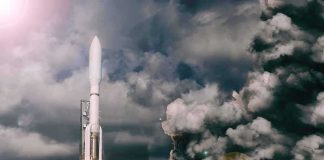
President Trump’s military briefed him on a massive commando raid to seize Iran’s buried uranium stockpile, risking thousands of American lives in what could become the largest special forces operation ever—betraying his promise to keep us out of endless foreign wars.
Story Snapshot
- US elite units like Delta Force and 82nd Airborne plan excavation of 450kg near-weapons-grade uranium buried at Isfahan after June 2025 strikes.
- Operation demands beachheads, airstrips, and weeks of digging amid Iranian defenses, potentially costing American blood and treasure.
- Trump noncommittal despite briefing; MAGA base questions endless regime-change entanglements over America First priorities.
- Iran confirms material under rubble, no retrieval plans; diplomacy or raid tracks open amid troop surges to Middle East.
Buried Uranium Threat Emerges Post-Strikes
US and Israeli strikes in June 2025 targeted Iran’s nuclear sites, including the Isfahan tunnel complex, burying approximately 450 kilograms of 60% enriched uranium under rubble. This stockpile equals material for about 10 nuclear bombs, far beyond civilian needs. Iran obstructed IAEA inspectors pre-war and hoarded the uranium despite sanctions. The strikes destroyed centrifuges, halting enrichment, but left the fortified underground material inaccessible to Tehran. Now, US military leaders brief President Trump on seizing it to prevent breakout.
Massive Special Operations Plan Detailed
Joint Special Operations Command proposes deploying thousands of troops, including Delta Force, Rangers, and 82nd Airborne, to excavate the sites. The mission requires airlifting heavy equipment, clearing mines, establishing beachheads or airstrips, and digging for days or weeks under fire. Experts call it the largest special forces operation in history, far exceeding past raids like Israel’s 1981 Osirak strike. Risks include Iranian drone and missile retaliation, plus potential casualties in prolonged ground combat. Trump requested the briefing in March 2026 amid ongoing war.
Trump Weighs Raid Against America First Promises
President Trump, in his second term, faces a pivotal choice: authorize the raid or pursue diplomacy for Iran to hand over or dilute the uranium with IAEA scientists. On Fox News last week, Trump denied the plan outright, saying “No, not at all,” while floating seizing Kharg Island, Iran’s key oil export hub. Secretary of State Marco Rubio implied ground teams are essential during congressional testimony. US troops, including Marines, surge to the region. This echoes frustrations with high energy costs and fiscal burdens from foreign adventures, eroding his no-new-wars pledge.
Stakeholders clash: Israel pushes joint ops to block 11 potential bombs; Iran’s FM Abbas Araghchi insists the program is civilian, refusing talks under fire. Former NATO commander James Stavridis warns of the operation’s unprecedented scale.
Risks and Implications for American Families
Short-term, the raid invites escalation, troop losses, and oil price spikes disrupting US households already hit by inflation. Long-term, success could denuclearize Iran but sets precedent for ground invasions, straining alliances and budgets. Conservative values demand limited government intervention abroad, prioritizing borders, gun rights, and family prosperity over propping up endless wars. MAGA supporters divide, questioning Israel aid amid constitutional neglect at home. Dual tracks—military or negotiated handover—leave Trump holding the decision as divisions grow.
Sources:
US Weighing Operation to Seize Iran’s Enriched Uranium (Iran International)
US military briefs Trump on plan to seize Iran’s buried uranium stockpile – report (Anadolu Agency)
Iran war: US Delta Force, 82nd Airborne division (The Times)
US-Israel talks on special ops for Iran uranium (Axios)