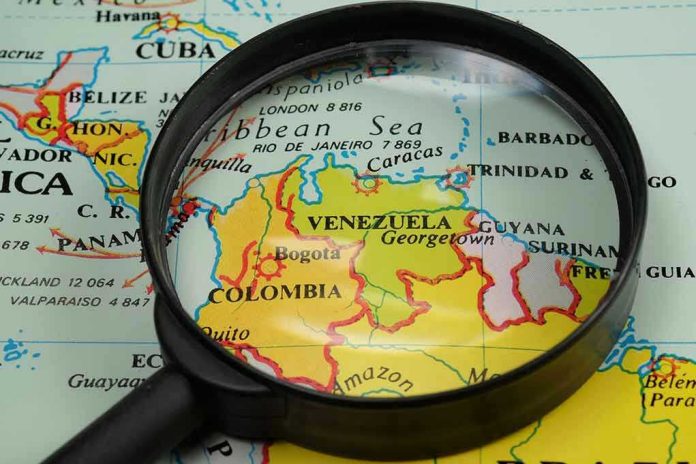
A new policy threatens Venezuelan oil revenue control, igniting a battle over its management and use.
Story Snapshot
- The U.S. has implemented sanctions impacting Venezuelan oil revenue control.
- Venezuelan oil revenue is vital for both American consumers and Venezuelan citizens.
- Debates continue over how to manage and distribute Venezuelan oil assets.
Sanctions and Their Impact on Venezuelan Oil Revenue
The U.S. has imposed sanctions on Venezuela, targeting the oil industry to pressure the Maduro regime. These sanctions have led to a significant reduction in Venezuela’s oil production and revenue, impacting both local welfare and global energy markets. The control of Venezuelan oil assets, including CITGO and central bank deposits, lies at the heart of the current geopolitical struggle, with the U.S. aiming to prevent revenue from supporting the Maduro government while safeguarding it for future democratic governance.
The opposition, led by figures like Juan Guaidó, has been recognized by the U.S. and other allies as the legitimate authority over external assets. This recognition aims to protect these assets from being used for repression by the Maduro regime. However, the control and distribution of these assets remain contentious, with legal battles ongoing over the rightful ownership and use of oil revenues.
The Role of U.S. Licenses and Humanitarian Efforts
The U.S. has periodically adjusted sanctions to allow limited Venezuelan oil exports, particularly when political negotiations show promise. These licenses are designed to ensure that revenue flows into humanitarian projects rather than the pockets of corrupt officials. The intention is to support the Venezuelan people without empowering the existing regime. Despite these efforts, the sanctions have contributed to Venezuela’s economic crisis, exacerbating poverty and driving mass emigration.
Efforts to manage Venezuelan oil revenue through escrow accounts and humanitarian funds have been proposed, mirroring past initiatives like Iraq’s Oil-for-Food program. These concepts aim to ensure that oil revenue supports the Venezuelan population directly rather than being diverted by the Maduro government.
Ongoing Legal and Political Challenges
Despite efforts to protect Venezuelan assets, court rulings in the U.S. have allowed certain creditors to pursue claims against CITGO shares, complicating efforts to safeguard these assets. This legal limbo highlights the ongoing challenges in balancing creditor claims with the need to preserve resources for a future democratic Venezuela.
As the global political landscape evolves, the management of Venezuelan oil revenue remains a critical issue. The U.S. aims to secure these assets for the Venezuelan people while maintaining stability in the energy market. However, the future of these resources depends on successful negotiations and the establishment of transparent governance structures that prioritize both Venezuelan and American interests.
Sources:
History of the Venezuelan Oil Industry
Council on Foreign Relations: Venezuela Crisis
IAI: Venezuelan Oil Industry Collapse