A new federal move potentially involving military force in Minnesota underscores the ongoing national debate over immigration enforcement.
Story Highlights
- The Pentagon has ordered 1,500 troops to prepare for possible deployment to Minnesota.
- President Trump may invoke the Insurrection Act if state authorities interfere with ICE operations.
- The move follows protests after an ICE officer fatally shot an American citizen in Minneapolis.
- Local officials, including Minneapolis Mayor Jacob Frey, criticize the federal government’s actions.
Troop Preparations Amid Tensions
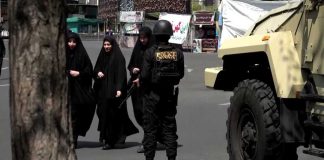
The Pentagon has placed 1,500 soldiers from the Alaska-based 11th Airborne Division on standby for a potential mission in Minnesota. This comes amid increasing tensions over immigration enforcement and recent protests in Minneapolis. President Trump has indicated he might invoke the Insurrection Act of 1807 if state authorities obstruct federal immigration actions. This unprecedented move is a precautionary measure, but it highlights the administration’s readiness to use military force to support immigration crackdowns.
The order to prepare troops follows a series of events that have heightened tensions in Minneapolis. On January 7, an ICE officer fatally shot Renee Good, a U.S. citizen, sparking significant protests against federal immigration enforcement. The unrest has led to claims of local interference with federal operations, prompting the Trump administration to consider military intervention as a means to secure law and order.
Federal and Local Dynamics
The potential deployment reflects a growing divide between federal and local authorities over immigration policies. President Trump and Homeland Security Secretary Kristi Noem are pushing for strict enforcement, highlighting constitutional authority to deploy military forces if necessary. However, Minneapolis Mayor Jacob Frey has publicly decried these plans as “ridiculous,” emphasizing the city’s refusal to be intimidated by federal actions. This standoff underscores the challenges in balancing national security concerns with local governance and autonomy.
The current situation in Minnesota is part of a broader pattern of increased federal intervention in urban areas perceived as resistant to aggressive immigration policies. With 3,000 ICE and border patrol agents already active in the region, Minneapolis has become a focal point in President Trump’s second term efforts to intensify deportation operations and combat alleged fraud in publicly subsidized day care centers.
Potential Implications and Concerns
The decision to place troops on standby raises significant questions about the use of military force in domestic disputes, particularly in matters involving immigration enforcement. Critics argue that invoking the Insurrection Act could set a precedent for normalizing military involvement in civil matters, eroding the delicate balance between state and federal powers. As protests continue, the situation in Minnesota remains fluid, with the potential for further escalation if troops are deployed.
In conclusion, the Trump administration’s readiness to use military force highlights the ongoing national debate over immigration policies and the extent of federal authority in state matters. While the situation in Minnesota remains unresolved, the actions taken by the federal government will likely have lasting implications on the relationship between national and local authorities.
Sources:
US orders 1,500 soldiers to prepare for possible Minnesota deployment: Report