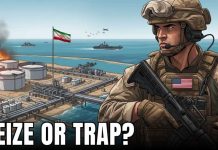
Iran’s rejection of Trump’s ceasefire terms is a reminder that Washington can enter a war quickly—but getting out on acceptable terms is far harder, especially when global oil chokepoints and U.S. credibility are on the line.
Quick Take
- Iranian state media said Tehran rejected a 15-point U.S. ceasefire proposal delivered through intermediaries and called it a “ploy.”
- Iran issued a five-point counterproposal that includes demands such as guarantees, reparations, and sovereignty claims tied to the Strait of Hormuz.
- Fighting continued as the rejection became public, with reports of escalating attacks affecting Israel and Gulf states.
- The White House publicly downplayed the rejection and said talks continue, while Iranian officials signaled no negotiations were planned.
Iran’s “No” Lands on Day 26 of a War With No Clean Off-Ramp
Iranian state media reported on March 25, 2026, that Tehran rejected a 15-point ceasefire proposal attributed to the Trump administration and sent through intermediaries. The same reports described the U.S. package as overreaching and framed Tehran as dictating the terms for ending the conflict. The rejection arrived roughly four weeks into open fighting that began after late-February U.S. strikes, a timeline that is sharpening domestic questions about mission, end state, and costs.
U.S. officials have not publicly released the full text of the plan, and the White House response has been cautious—acknowledging some elements may be accurate while disputing parts of what was reported and insisting diplomatic efforts continue. That split-screen messaging matters because Americans are watching a familiar pattern: major military action paired with ambiguous political objectives. When the administration says negotiations are ongoing but Iran says no talks are planned, the information gap becomes part of the war itself.
What the U.S. Proposal Sought: Nuclear, Missiles, Proxies, and Hormuz
Accounts from officials involved in mediation described a broad U.S. proposal that mixes security demands with incentives. Key elements reportedly included sanctions relief in exchange for a rollback of Iran’s nuclear activities, limits on missile development, commitments related to the Strait of Hormuz, and restrictions on Iran’s support for regional proxy forces. Pakistan and Egypt were cited as intermediaries, and discussions of possible in-person talks circulated—yet none of those diplomatic mechanics overcame Tehran’s core demands.
For conservative voters focused on energy prices and economic stability, the Hormuz dimension is not abstract. Reporting has emphasized that disruptions in the Strait can rattle global supplies and shipping, with cascading effects on household costs. That reality collides with deep fatigue inside the MAGA base over “forever wars” and regime-change logic. Even many strong Trump supporters who back a hard line on Iran still want a defined objective, a defined endpoint, and a strategy that doesn’t permanently tax American families.
Iran’s Counterproposal: Guarantees, Reparations, and Conditions Tehran Controls
Iran’s reported five-point counterproposal signaled that Tehran wants the war to end on its timetable and under its framing. The counter-demand package was described as including a halt to attacks, guarantees, and reparations, along with conditions touching proxy-related fighting and claims tied to Hormuz. Mediators reportedly viewed several of these demands as unacceptable, which is a practical reason talks appear stuck. The more either side treats terms as non-negotiable, the longer the battlefield decides outcomes.
Escalation Risk: Gulf Targets, Israel, and the Pressure to “Do More”
Reports around the rejection described continued and escalating attacks affecting Israel and Gulf states, including an incident at Kuwait International Airport. This is the danger zone for U.S. decision-makers: every strike that hits partners increases pressure for retaliation, while every retaliation raises the odds of a wider regional blaze. Trump has publicly signaled potential escalation options, and Iran has projected defiance. As long as the shooting continues, diplomacy will compete with battlefield calculations and domestic politics in both countries.
What Conservatives Should Watch: War Powers, Transparency, and the End-State Question
Limited public detail about the terms and the diplomatic channel makes it harder for Americans to judge progress and harder for Congress to exercise meaningful oversight. For constitutional conservatives, the biggest near-term question is not whether Iran is trustworthy—Tehran’s record is well known—but whether the U.S. government is defining a lawful, achievable mission with clear limits. A second question is strategic: if the administration’s objective is narrower than regime change, the public deserves clarity on what “success” looks like and how it ends.
Trump will ‘unleash hell’ on Iran as Tehran rejects peace plan, White House warns – The Standard trump has to be careful the world could end up with no oil coming through the straits if they blow it all up. And that will be trump’s fault. https://t.co/NJcCjLfU8c
— john w maskell (@75stratford) March 25, 2026
The political tension inside the MAGA coalition is also real. Some voters see supporting Israel and striking Iran as necessary deterrence; others see a repeat of open-ended intervention that drains U.S. power and raises energy costs at home. Iran’s rejection of the 15-point proposal doesn’t settle that argument—it intensifies it. Until Americans see verified terms, measurable goals, and a credible off-ramp, the skepticism will remain, even among voters who still prefer Trump’s overall direction to the alternatives.
Sources:
Iran rejects Trump’s plan to end war in 15 points
Iran rejects Washington’s 15-point plan and escalates attacks on Israel and Gulf
Iran rejects U.S. peace talks proposal, sends counteroffer
Iran rejects US proposal for peace talks – state media