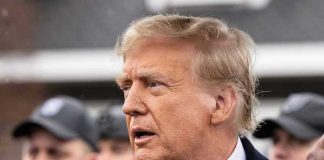
The removal of Trump’s portrait from the Colorado Capitol ignites a heated debate over the representation of American history.
Story Highlights
- Trump’s criticism leads to the removal of his portrait from the Colorado Capitol.
- The incident sparks discussions on replacing presidential portraits with gubernatorial ones.
- Colorado’s unique collection of presidential portraits becomes a focal point.
- The debate highlights broader concerns about historical representation in public spaces.
Trump’s Portrait Controversy in Colorado
In mid-2025, President Donald Trump publicly criticized his portrait hanging in the Colorado State Capitol, calling it “truly the worst” and claiming it was “purposefully distorted.” The portrait, painted by artist Sarah Boardman in 2019, was subsequently removed by state Republicans. This incident triggered a broader discussion about the future of presidential portraiture in state capitols and sparked consideration of replacing all presidential portraits with gubernatorial ones.
The incident highlights the tension between national and state history, as Colorado’s Capitol is one of the few with a complete portrait collection of all U.S. presidents. With Colorado preparing for its 150th anniversary in 2026, there’s a push to celebrate state history over national figures. This debate underscores the ongoing struggle between preserving national heritage and highlighting local achievements.
The Debate Over Historical Representation
The Capitol Building Advisory Committee discussed the possibility of replacing presidential portraits with gubernatorial ones as part of celebrations for Colorado’s sesquicentennial. History Colorado’s leadership strongly advocates for this change, arguing that the Capitol should primarily celebrate state history. Meanwhile, some committee members see the proposal as a hasty reaction to the Trump controversy, suggesting it lacks depth and foresight.
Sarah Boardman, the artist behind the portrait, defended her work, stating she created it “without political bias or any intention to distort or caricature the president.” Despite her defense, Trump’s criticism has reportedly impacted her business negatively, calling into question her intentions and abilities. This incident reflects a broader trend where political figures increasingly influence artistic and historical representations in public spaces.
Potential Outcomes and Implications
The committee has postponed its decision on the portraits, leaving Trump’s space in the rotunda blank. This decision could set a precedent affecting other state capitols’ strategies for historical representation. If gubernatorial portraits replace presidential ones, it would reframe the Capitol as a celebration of Colorado’s specific history, potentially influencing how other states balance national and state histories.
For now, the Capitol Building Advisory Committee considers multiple options, including accepting a new Trump portrait or maintaining the status quo with modifications. The outcome of this debate could have far-reaching effects on how government institutions document and present history, reflecting broader discussions on institutional autonomy and political influence over cultural heritage.
Sources:
TPR: The Artist Behind the ‘Worst’ Trump Portrait Defends Her Work
CBS News: Reference to Trump Impeachments Removed from National Portrait Gallery