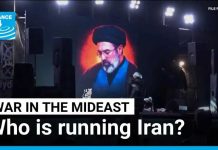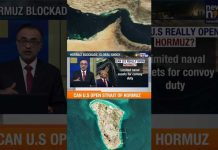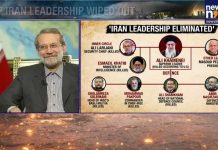
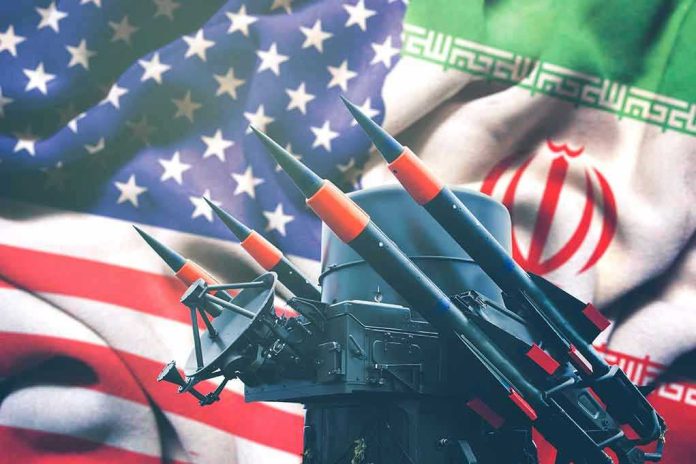
Despite sensational claims of a “secret war” against Iran, no credible evidence supports any government “admission” of covert operations, as the narrative appears to misrepresent the overt June 2025 Israel-Iran War and subsequent sanctions as hidden regime-change plotting.
Story Snapshot
- No verifiable “admission” of secret war exists; claims exaggerate public military actions from June 2025
- Israel conducted 12-day direct strikes on Iranian nuclear and missile sites, killing ~700 Iranian civilians
- Trump administration reactivated UN sanctions and warns against protest suppression amid Iranian unrest
- Iran rebuilds missile capabilities through crypto sales while facing economic isolation and internal dissent
The Real War Was Public, Not Secret
Israel launched overt strikes against Iranian nuclear and missile infrastructure on June 13, 2025, initiating a 12-day direct conflict that fundamentally reshaped Middle Eastern dynamics. The attacks targeted core Iranian military assets, resulting in approximately 700 Iranian civilian deaths and 25 Israeli casualties. This represented an unprecedented escalation from previous shadow operations to direct, public warfare between the two nations.
Trump Administration Escalates Pressure Campaign
Following the June conflict, President Trump’s administration reactivated UN sanctions snapback in September 2025, blocking Iranian access to international finance and insurance markets. Trump has issued warnings against Iranian protest suppression while linking internal repression to potential US responses. This coordinated pressure campaign combines economic isolation with diplomatic threats, representing standard statecraft rather than covert operations.
The administration’s approach aligns with conservative principles of strength through deterrence and supporting freedom movements abroad. Trump’s clear messaging demonstrates transparency in foreign policy objectives, contradicting claims of hidden agendas.
Iranian Regime Faces Mounting Internal Challenges
Iran’s leadership struggles with degraded military capabilities, economic sanctions, and rising domestic unrest throughout early 2026. Supreme Leader Khamenei’s authority appears undermined after he reportedly hid during Israeli strikes, while the IRGC prioritizes missile reconstitution over economic recovery. Recent arrests in Sistan-Baluchistan province and ongoing executions reveal heightened internal security concerns.
The regime’s crypto-based weapons sales to 35 countries, including Russia, demonstrate desperate attempts to circumvent sanctions through technological evasion. These activities occur openly in international markets, further disproving secret war narratives while highlighting Iran’s isolation from legitimate global commerce.
Expert Analysis Reveals Regime Vulnerability
Intelligence analysts describe 2026 as a critical test for Iranian endurance, with narrowing options forcing greater reliance on repression and sanctions evasion. The combination of military degradation, economic pressure, and internal dissent creates unprecedented challenges for Tehran’s leadership. However, experts diverge on collapse likelihood, with some speculating about potential civil war while others emphasize regime resilience.
This analysis demonstrates how open military action and public sanctions pressure can achieve strategic objectives without covert operations. The Iranian regime’s vulnerability stems from transparent consequences of their nuclear ambitions and regional aggression, not secret plotting.
Sources:
Iran International – Iran’s 2026 Challenges
Critical Threats – Iran Update January 2026
The National – Iran’s Year of the Unknown
American Enterprise Institute – Iran Civil War Prospects