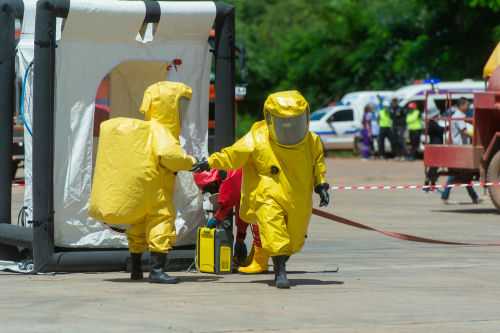
On a blistering Ohio afternoon, a “mystery leak” on Interstate 71 turned out to be 40,000 pounds of Frank’s RedHot sauce oozing across the highway and into a truck stop parking lot, triggering a full hazardous materials response for what was basically spilled hot wings fuel.
Story Snapshot
- A semi-truck leaked about 40,000 pounds of Frank’s RedHot sauce along Interstate 71 in Ohio.
- Firefighters and the Ohio Environmental Protection Agency treated the spill as a hazardous materials incident because of the sauce’s acidity.
- The leak created a long trail of bright red fluid, coated nearby vehicles, and forced a major cleanup in the middle of a heatwave.
- The event shows how modern regulations turn even food spills into complex emergency scenes, with real costs and political questions.
When A Routine Truck Trip Became A Highway Of Hot Sauce
Firefighters north of Columbus were called out when drivers reported a strange red fluid streaking along Interstate 71 and into a truck stop. Crews followed the trail to a semi-trailer that was still leaking, painting the pavement in bright red during a stretch of brutal summer heat. The truck was hauling roughly 40,000 pounds of Frank’s RedHot sauce, enough to drown a stadium’s worth of chicken wings and then some. For drivers stuck in traffic, it looked more like a slow-moving crime scene than a grocery run gone wrong.
The sauce did not gush from one dramatic crash; it seeped, then streamed, as the truck kept moving. Witnesses saw a line of red fluid and stained cars, some complaining online that the sauce clung to paint and undercarriages. A national morning show later ran footage of the scene with joking commentary, but you could see the reality behind the laughs: emergency lights, closed lanes, and men in gear treating dinner condiment like industrial waste. On a busy interstate, “just sauce” is not simple.
Why A Food Spill Triggers Hazard Protocols And Red Tape
The hot sauce’s acidity forced officials to treat the spill like a chemical hazard, not just a messy load. Modern hazardous materials rules say responders must assume unknown liquids could threaten soil, water, or air until they prove otherwise, and that means calling in environmental authorities fast. The Ohio Environmental Protection Agency joined firefighters to keep the sauce out of storm drains, where concentrated acid and salt could hit streams and drainage systems. Regulations do not care that the label says “put that on everything.” They care about pH and volume.
This response fits a larger pattern where food products, especially acidic or concentrated ones, get swept into hazardous materials procedures. Agencies know they will be blamed if they shrug off a spill and damage later appears, so they follow the book even when the substance is something any family could buy. From a common sense conservative view, that is the tension: we want first responders careful, not careless, but we also see how rules can inflate almost any event into a costly operation.
Heatwave, Culture Clash, And The Cost Of “Better Safe Than Sorry”
The spill landed during a heatwave, which made everything worse. High temperatures can speed up chemical reactions and push fumes or liquids farther, and traffic already slows under those conditions as vehicles and drivers strain. Add a slick layer of sauce under wheels and cleanup crews, and the risk of secondary accidents rises. Even if no one was badly hurt, every lane closure and detour has real economic impact, from wasted fuel to missed work shifts, that no viral meme shows.
Media outlets framed the story as “News of the Weird,” complete with puns about highways to hot sauce and wasted wings. That tone made the event easy to share but easy to dismiss. From a conservative, common sense angle, treating this as pure comedy hides the serious questions about infrastructure, trucking safety, and regulatory overreach. Someone owned that cargo. Someone paid for the cleanup. Taxpayers often carry part of that bill, especially when environmental agencies must mobilize. Laughs do not erase paperwork.
Lessons In Oversight, Responsibility, And Everyday Risk
The public still does not know the trucking company’s name, the exact cost of the cleanup, or who will pay it. That missing detail matters more than most headlines admitted. Highway incidents involving cargo spills, even food, trigger federal reporting rules and often demand written follow-up within thirty days. That trail of forms decides who owes what and whether changes follow, from better trailer maintenance to stricter inspection of food loads that behave more like chemicals in bulk.
This kind of case shows how modern life turns simple things complex. Hot sauce in a bottle is harmless fun. Forty thousand pounds of it leaking across an interstate can threaten drains, cause crashes, and launch a multi-agency response. That does not mean we should panic over every grocery truck, but it does mean we should respect the scale of the systems that feed us. When those systems fail in public, as they did on Interstate 71, the line between “funny story” and “serious event” is thinner than it looks.
Sources:
reddit.com, businessnews975fm.iheart.com, aol.com, nifc.gov