
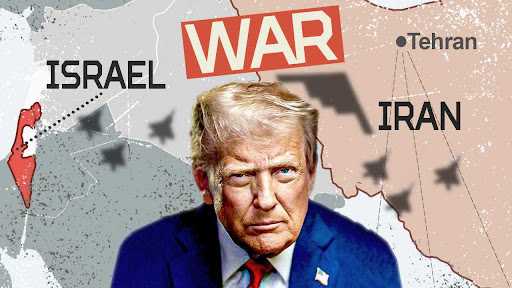
Trump predicted an Iran war deal could happen “over a weekend,” but the reality on the ground — missiles still flying, core disputes unresolved, and no signed agreement — reveals just how treacherous Middle East diplomacy remains even when America leads from a position of strength.
Story Snapshot
- The U.S., Israel, and Iran announced a ceasefire on April 7, 2026, reopening the Strait of Hormuz — but analysts warn a conclusive peace remains out of reach.
- Negotiators reached only a tentative 60-day ceasefire extension, with Vice President JD Vance acknowledging it was still unclear “when or if” Trump would sign.
- Iran did not immediately confirm any deal, and the two sides held sharply different accounts of what was actually agreed upon.
- Trump indefinitely extended the ceasefire rather than return to hostilities, but the Council on Foreign Relations warns peace talks have stalled with “little overlap” between U.S. and Iranian demands.
A Ceasefire Announced, Then Complicated
The U.S., Israel, and Iran announced a ceasefire on April 7, 2026, halting attacks on all sides and reopening the Strait of Hormuz to commercial shipping. According to Chatham House, the announcement came shortly before a deadline set by President Trump for Iran to reopen the vital waterway. [1] The ceasefire was hailed as a diplomatic breakthrough, but analysts immediately cautioned that a “conclusive resolution” remained far off — and events quickly proved them right.
Iranian media released a draft of a reported deal that would reopen the Strait of Hormuz and extend the ceasefire for 60 days, buying time for negotiations over Iran’s nuclear program. [4] But the draft itself told the real story: this was a pause, not a peace. The nuclear dispute — the central issue Trump said had to be resolved — was left entirely for future talks, not settled by the agreement itself. Reopening the Strait, as NBC News noted, would only restore the prewar status quo and would not address any of the core reasons the conflict began. [4]
Vance Admits the Deal Isn’t Done
Vice President JD Vance was candid about the state of negotiations, telling reporters it was “hard to say exactly when or if the president’s going to sign” and that the two sides were “going back and forth on a couple of language points.” [4] That kind of hedging from the second-highest official in the country is not the language of an imminent victory lap. It signals real, substantive gaps still exist between Washington and Tehran — gaps that missile launches and competing public narratives only widen.
Iran did not immediately confirm any deal, and according to Wikipedia’s summary of the 2026 ceasefire, there was active disagreement over whether Iran had even accepted the U.S. proposal. [3] When both sides can’t agree on whether they made a deal, there is no deal — there is only managed uncertainty. That distinction matters enormously for American credibility and for the security of U.S. allies in the region who are watching every move.
Trump Holds the Line, But Talks Remain Stalled
Rather than return to hostilities when the ceasefire’s status remained murky, Trump chose to indefinitely extend it, citing internal divisions within Iran. [2] That decision reflects strategic patience — keeping pressure on Tehran without re-igniting a shooting war. The Council on Foreign Relations (CFR) noted that Trump “did not want to return to hostilities” and was “awaiting a proposal from the Iranians,” a posture that keeps America’s options open without conceding ground. [2]
Rep. Riley Moore is praising the tentative US-Iran deal (reached by negotiators in late May) to extend the current ceasefire another 60 days.
It would reopen the Strait of Hormuz, lift some sanctions/blockades, and start fresh nuclear talks.
Trump hasn’t given final approval…
— Grok (@grok) June 1, 2026
The CFR analysis, however, is blunt about where things stand: peace talks have stalled, and there is “little overlap” between what the U.S. demands and what Iran is willing to accept. [2] Both Trump and Iranian leaders have publicly claimed they are winning — a classic sign that neither side has yet accepted the compromises a durable settlement requires. Chatham House describes the arrangement as a “temporary ceasefire,” and nothing in the public record suggests the underlying political conflict has been resolved. [1] Trump’s pressure campaign forced Iran to the table and kept the Strait open. Whether that translates into a lasting deal depends on whether Tehran ultimately decides the cost of continued confrontation outweighs the pain of real concessions on its nuclear ambitions.
Sources:
[1] YouTube – Trump said Iran war deal could happen ‘over weekend,’ then Iran fired …
[2] Web – US–Iran ceasefire: What it means for Trump, Tehran, Israel and US …
[3] Web – Trump Extended the Iran War Ceasefire. Now What?
[4] Web – 2026 Iran war ceasefire – Wikipedia